
Expert
Witness
Consulting
Expert
Witness
Consulting
Ryan@ExpertWitness.co
(702) 696-8745 (662) 466-6045
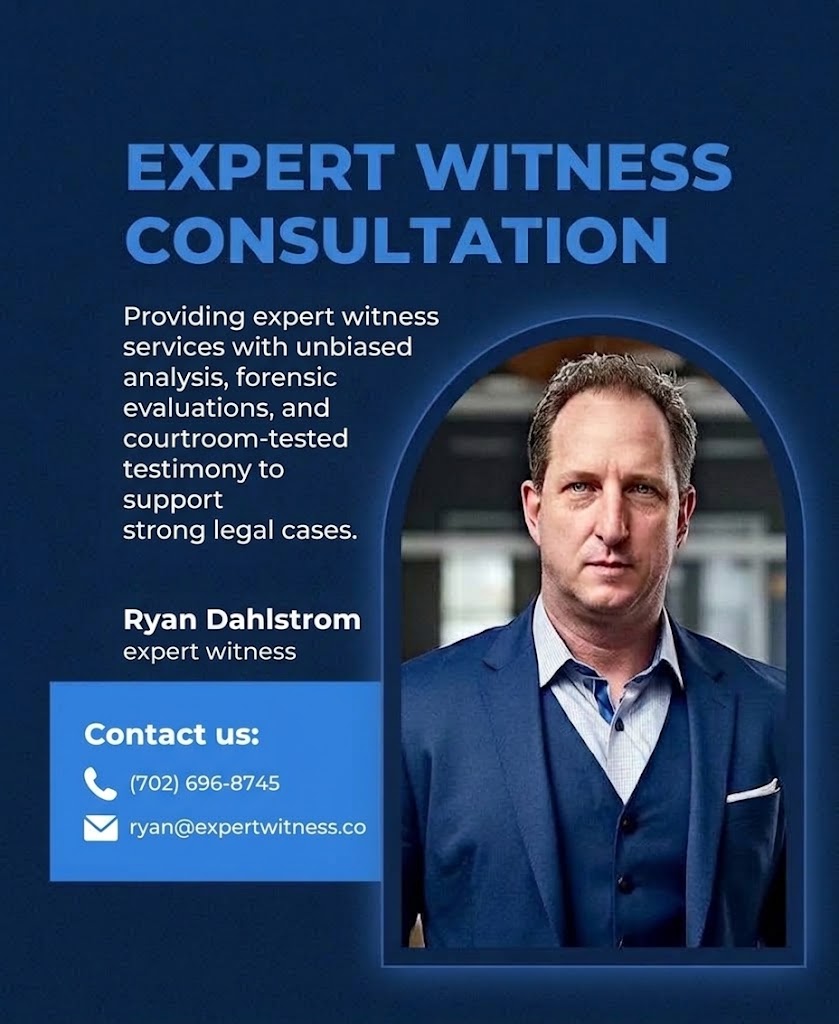

A safe departure expert witness evaluates what a bar, nightclub, restaurant, or event venue did when an intoxicated or cut-off patron left the premises, including staff intervention, ride options, and security at the exit. Expert Witness Co. reviews safe departure practices nationwide for plaintiff and defense counsel in drunk driving, pedestrian, assault, and wrongful death matters connected to licensed venues.
Our experts have managed closing time at high-volume bars and nightclubs. They review cut-off decisions, exit procedures, ride and transportation offers, and staff testimony to evaluate whether the venue’s actions met hospitality industry standards after service ended.
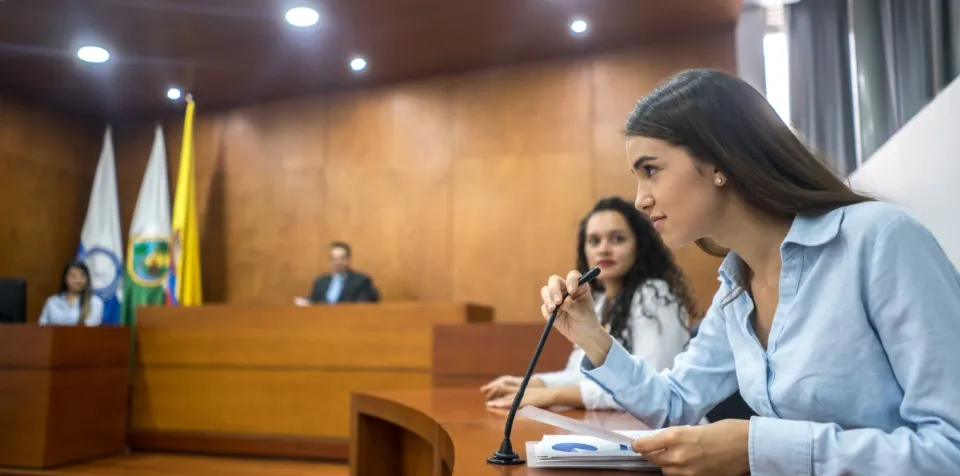
Safe departure questions usually come down to what staff knew when a patron left and what they did about it. Our experts review receipts, incident reports, and staff testimony, and view the video provided in the matter, to place the cut-off, the exit, and any offers of a ride or a call in order. They then compare the venue’s conduct with responsible beverage service training and hospitality industry standards for closing and exit procedures. Expert Witness Co. is retained by plaintiff and defense counsel and by insurers nationwide, and accepts safe departure engagements in all 50 states.
“Clarity is crucial for expert witnesses. Explaining complex concepts effectively is essential. Simplifying intricate details ensures understanding, builds trust, and strengthens the expert’s credibility.”
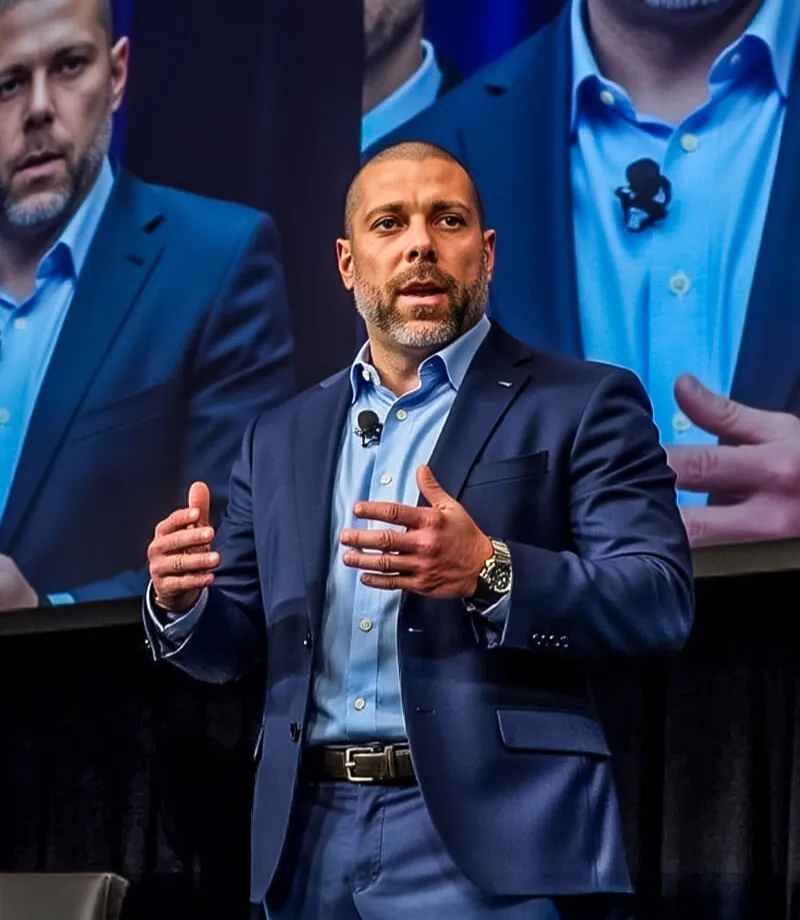
Review of security policies, use of force, crowd management, and incident response against industry standards.
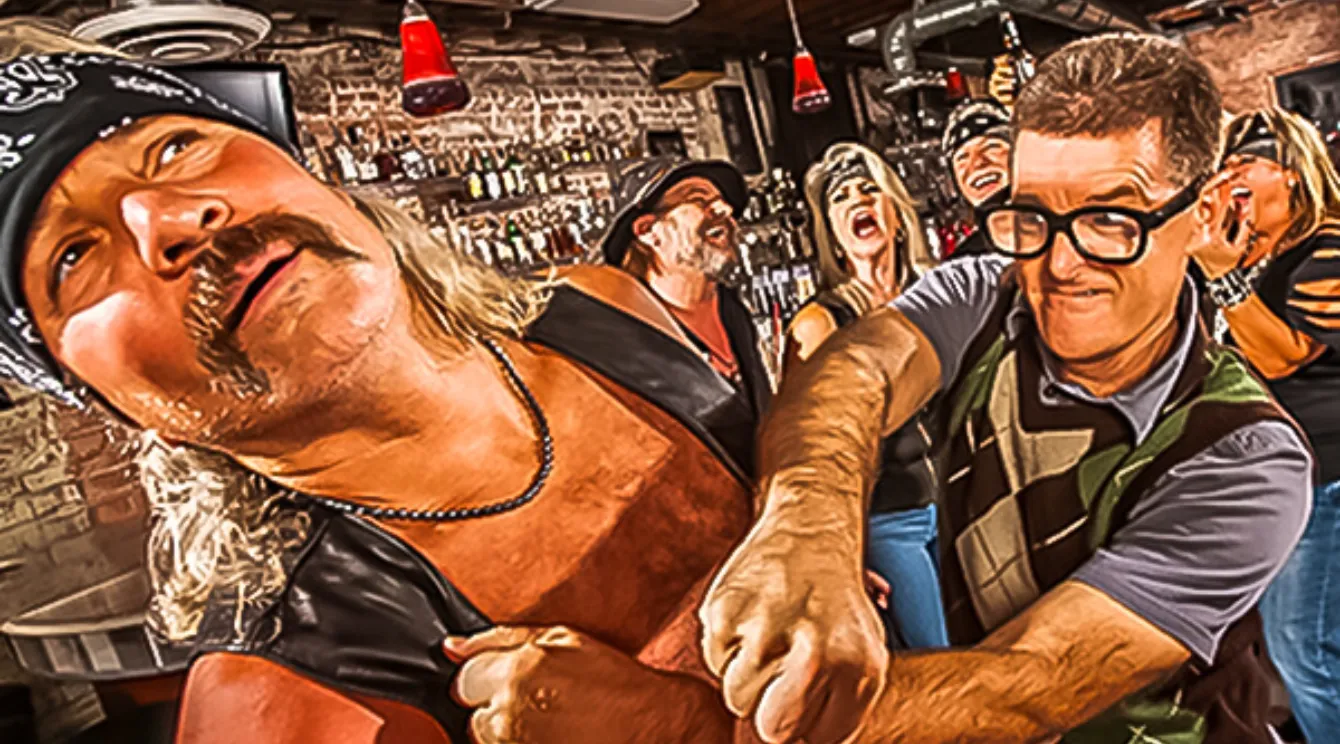
Testimony that teaches judges and juries how hospitality venues operate and what industry standards require.
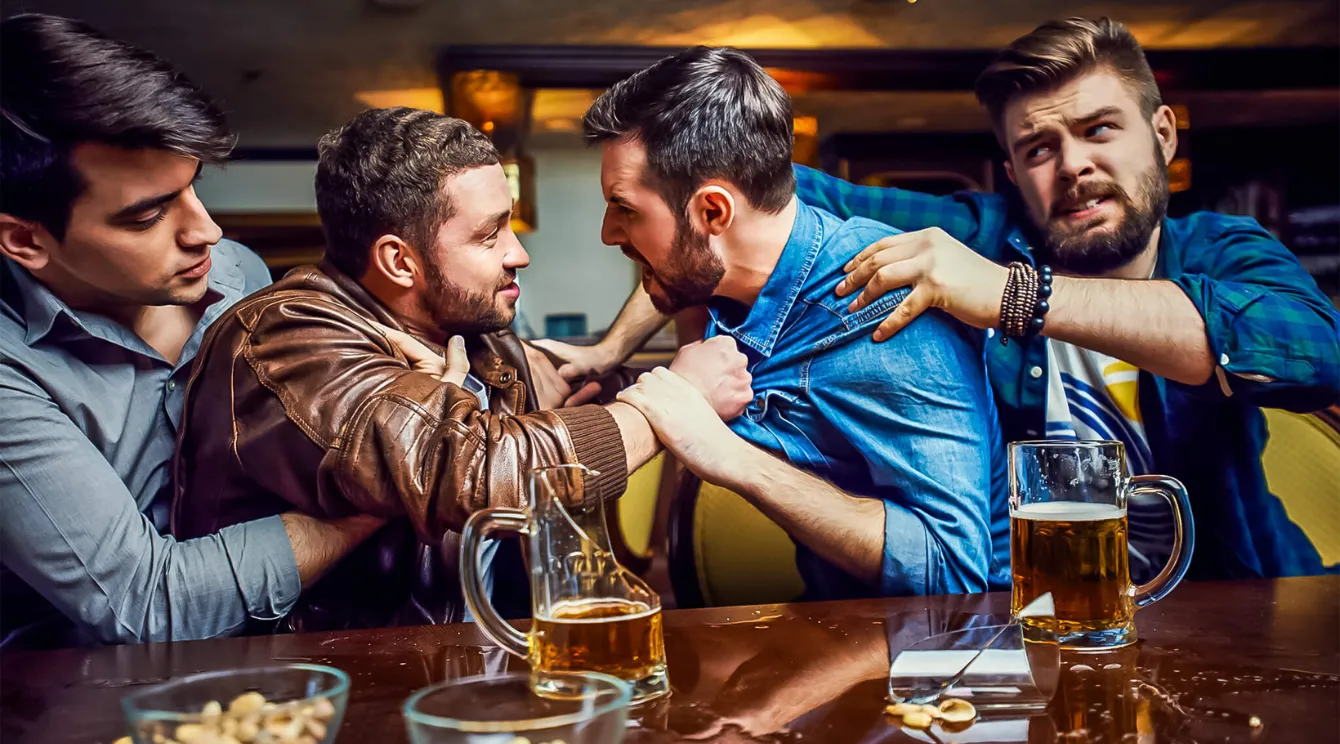
Evaluation of management oversight, staff training, supervision, and written policy against actual practice.
Operations and standard-of-care review in fatal incidents at bars, nightclubs, hotels, and events.

Evaluation of inspection, maintenance, and hazard practices at hospitality and entertainment venues.
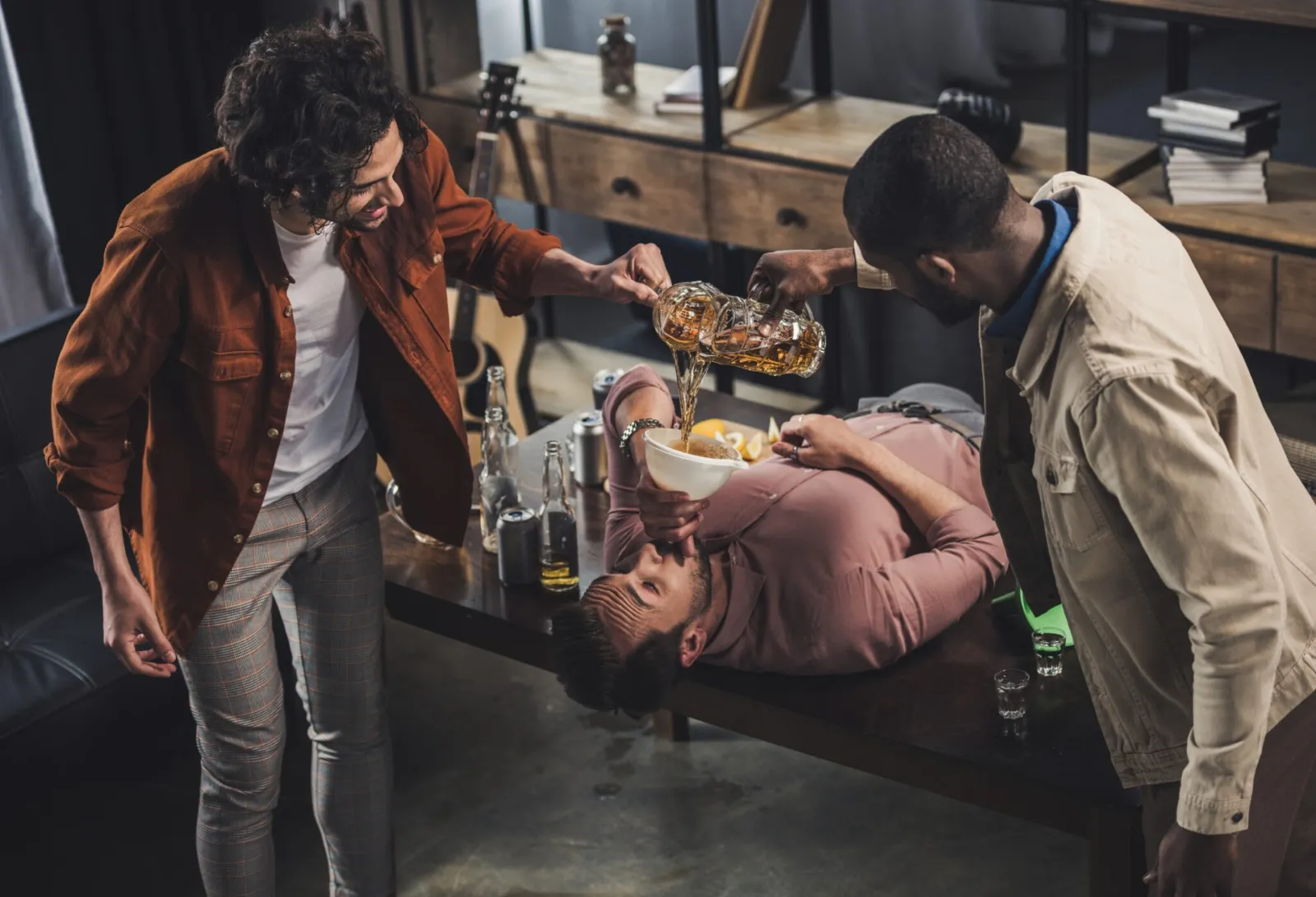
Review of seller-server training and employer practices raised in responsible vendor and safe harbor defenses.
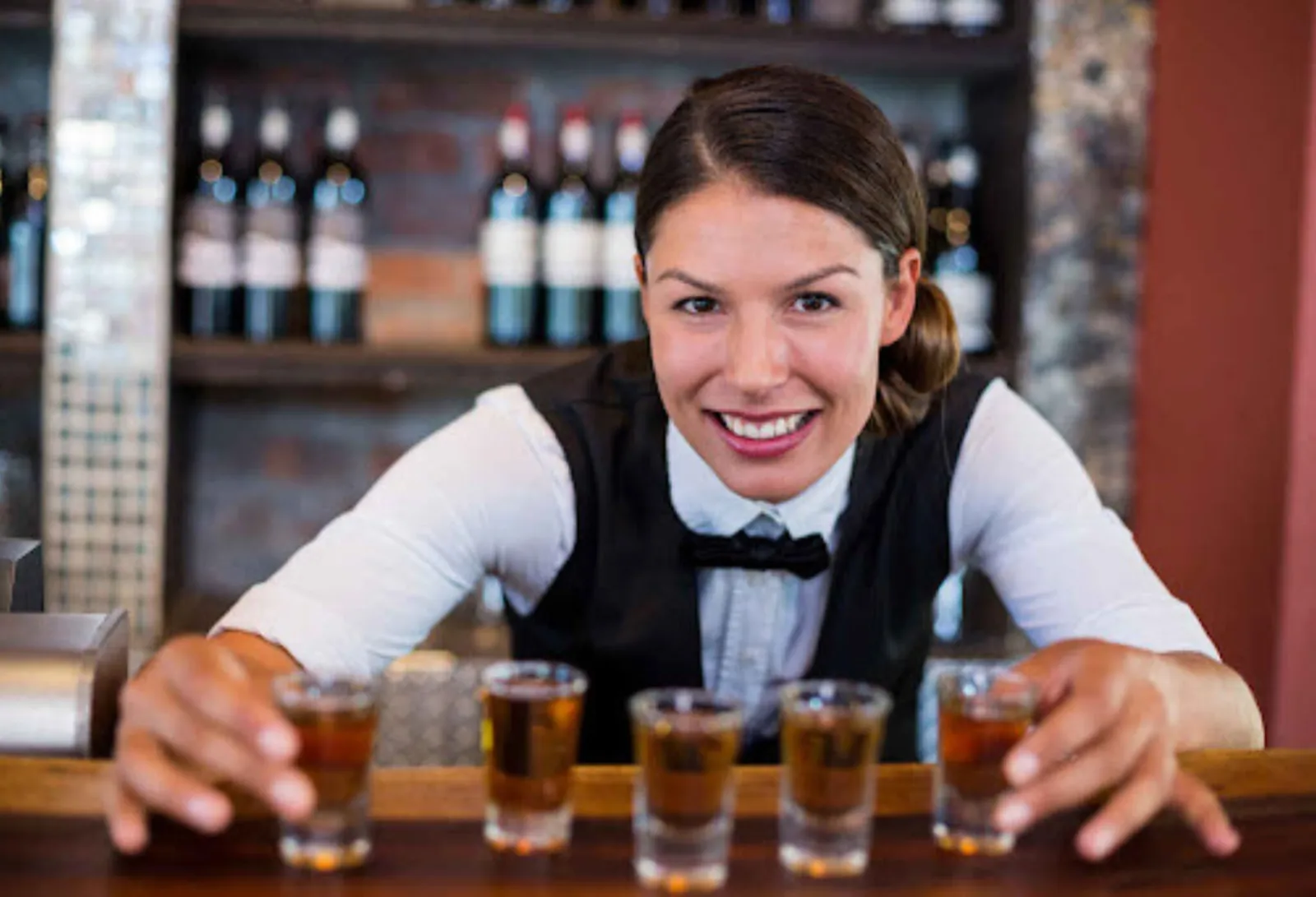
Safe departure refers to the steps a venue takes when an intoxicated or cut-off guest leaves, such as involving a manager, offering a ride, and watching the exit.
Not necessarily. Responsible beverage service training addresses what staff do after cut-off, and whether a legal duty continues depends on the state and the facts.
Drunk driving crashes, pedestrian injuries, falls outside the venue, and assaults in parking areas after a patron leaves are the most common.
Cut-off decisions may appear in incident logs, manager notes, voided tickets, staff texts, or testimony. Many venues do not document them, and that gap is part of the review.
Hospitality training generally calls for staff to escort an intoxicated guest calmly, watch the exit, and involve a manager rather than simply removing the guest.
Exit and parking camera footage, when provided, can show who accompanied the patron, which way they went, and whether staff were present.
Yes. Responsible beverage service programs commonly teach staff to offer a ride, call a taxi or rideshare, or contact a sober companion for an intoxicated guest.
The review looks at what staff did next, such as involving a manager, documenting the refusal, or contacting a companion, compared with the venue’s own training.
Yes. When a venue controls valet or parking, staff decisions about returning keys or watching the lot can be part of a safe departure review.
Receipts, exit and parking video, incident reports, valet logs, ride receipts, and staff testimony about the patron’s condition at departure are the usual sources.
Usually. Service before the cut-off and conduct at departure are reviewed together because both depend on what staff observed about the same patron.
Preston Rideout and Ryan Dahlstrom both review safe departure issues, drawing on years of managing closing time at bars, nightclubs, and hotel venues.